Case study
Next case studyWhy Object-Oriented UX is a Powerful Tool for Redesigning Content at Scale
When tackling a large-scale content redesign, it's easy to get lost in the details—page structures, navigation, calls to action. But at the core of any content-heavy system are the objects users interact with. Object-Oriented UX (OOUX) provides a structured way to define those objects, their relationships, and the actions users expect to take, making it an invaluable tool for managing complex content overhauls.
Why Start with Objects?
Traditional UX design often begins with actions—what do users want to do (the verbs). But actions only make sense in relation to something (a noun). You can "book," but book what? You can "apply," but apply for what? If we start by defining the objects — what users are interacting with — we create a clearer, more intuitive framework for our users to operate in.
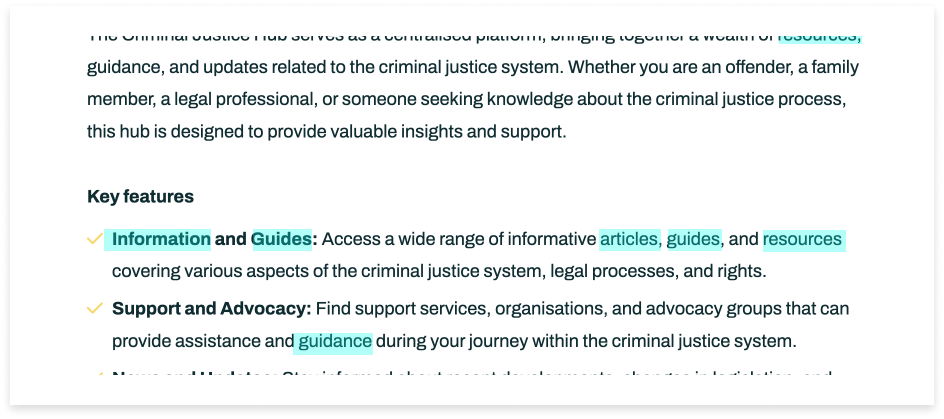
For a recent content migration project, this approach was key. The website, a public resource for a legal non-profit, had a wealth of articles, guides, documents, and contacts. Without a clear content structure, navigation was confusing, related resources were disconnected, and users struggled to find what they needed.
Using OOUX to Bring Clarity to Complexity
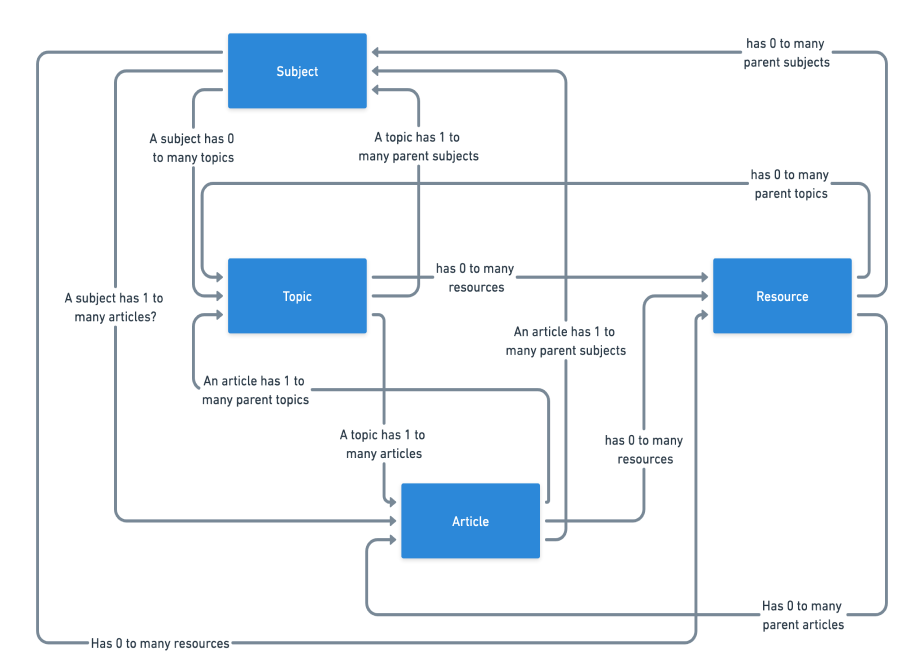
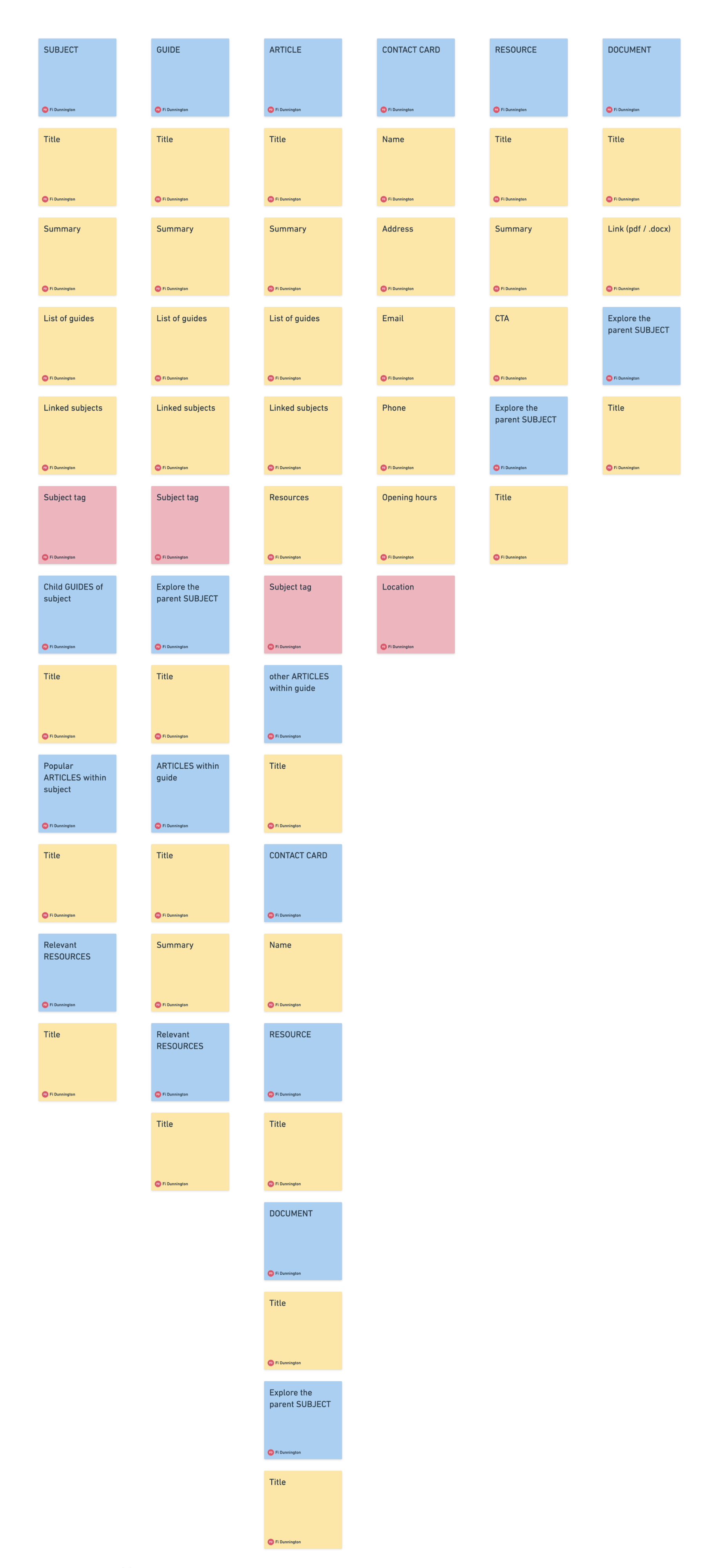
The first step was to define the core objects of the site. Through user research and content analysis, we identified six key objects: subjects, guides, articles, contacts, documents, and resources. Once these were mapped out, the next steps became clear:
- Understanding relationships
How do guides connect to subjects? Should articles link directly to resources? Establishing these relationships helped structure the content in a way that made sense to users.
- Streamlining navigation
Instead of a tangle of unrelated pages, the site now had a structured hierarchy, with content grouped by object type and linked in predictable ways.
- Creating scalable content
With a clear object framework, future content updates became much easier. Content creators could slot new items into an established system instead of reinventing the wheel.
The Broader Benefits of Object-Oriented UX
Beyond improving user experience, this approach had practical benefits for the project:
- Less guesswork, fewer mistakes
Clearly defining content objects early on meant fewer unknowns and a more efficient workflow.
- Easier collaboration
Designers, developers, and stakeholders all had a shared language, reducing miscommunication.
- Scalability
A modular structure meant the website could grow without becoming unwieldy.
By focusing on objects first, we created a site that was more intuitive, easier to manage, and better suited to user needs. Whether redesigning a content-heavy website or building a new system from scratch, Object-Oriented UX provides a powerful way to bring order to complexity.